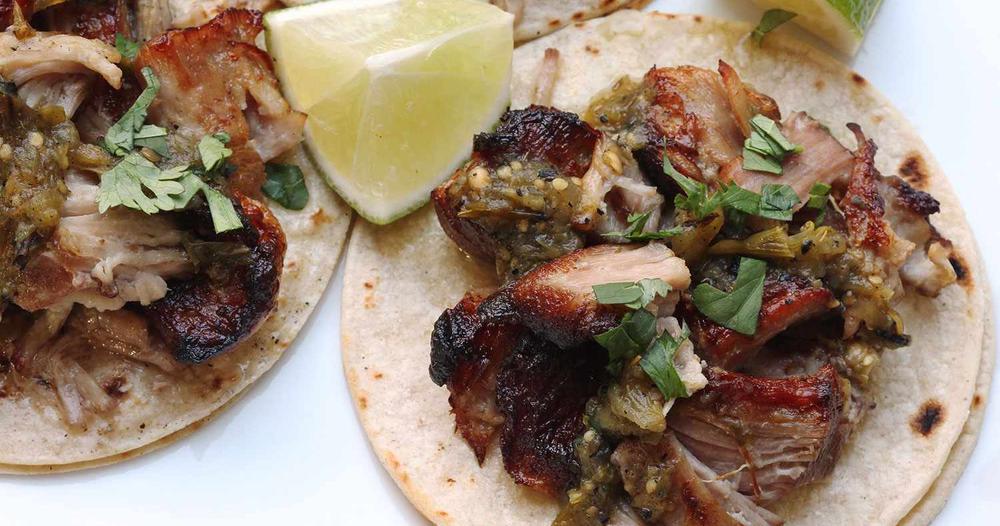
Effortless Carnitas: Master Crispy Sous Vide Pork Tacos at Home
Carnitas are more than just a dish; they're a culinary icon, the undisputed monarch of the taco cart. Originating from Mexico, these crispy, succulent morsels are the south-of-the-border answer to American pulled pork, but with a unique depth and texture that sets them apart. At their best, carnitas boast an incredibly moist, juicy, and intensely porky flavor, reminiscent of a French confit, elegantly contrasted with a generous helping of perfectly browned, irresistibly crisp edges. Traditionally, this magic happens in a large copper vat (a *cazo*), where chunks of pork simmer slowly in rendered lard until they achieve a state of tender perfection and exterior crispness.
For years, home cooks have adapted this tradition, often relying on oven-based recipes involving slow-cooking pork cubes in a baking dish, submerged in fat, before shredding and crisping under a broiler or on the stovetop. While effective, this method demands prolonged oven use and constant attention. Enter the sous vide immersion circulator – a game-changer that transforms the art of making carnitas from a labor of love into an exercise in culinary precision and ease, culminating in the most exquisite
sous vide pork carnitas tacos you've ever tasted.
The Sous Vide Advantage: Unlocking Unparalleled Tenderness and Moisture
The sous vide method revolutionizes home carnitas production, offering several compelling advantages over conventional cooking. Foremost among them is the sheer simplicity and reduced oversight required. Forget monitoring oven temperatures for hours on end; with sous vide, you set it and largely forget it. This hands-off approach liberates your time and kitchen, allowing the magic to happen discreetly in a water bath.
Perhaps the most significant benefit when crafting
Sous Vide Carnitas: Mastering Tenderness and Crispy Edges is the elimination of overcooking. Pork shoulder, the ideal cut for carnitas due to its rich composition of connective tissue and fat, is incredibly forgiving when cooked sous vide. Even if your cooking window stretches several hours beyond the intended time, the result remains consistently incredible. This precision control, inherent to sous vide, ensures that the pork reaches its optimal tenderness without ever drying out.
Another remarkable aspect is the self-basting nature of sous vide cooking. Because the pork is sealed tightly within a bag, there's absolutely no need to add any extra fat. As the pork shoulder slowly cooks, its natural fats render, distributing themselves around the meat within the vacuum-sealed environment. This ingenious process allows the pork to tenderize in its own juices, yielding carnitas that are consistently extra-moist, flavorful, and succulent time after time. This secret to ultimate succulence is why sous vide is rapidly becoming the preferred method for home chefs. For a deeper dive into this, explore
Sous Vide Carnitas: The Secret to Extra-Moist, Flavor-Packed Tacos.
Precision Cooking: Tailoring Your Carnitas Texture with Sous Vide
The beauty of sous vide extends to its ability to precisely control the final texture of your carnitas. The primary goal in cooking tough cuts like pork shoulder is to break down tough connective tissue, primarily collagen, transforming it into rich, velvety gelatin. This process requires both time and heat, with the intensity of heat directly influencing the cooking duration.
While higher temperatures can shorten cooking times, they also tend to expel more moisture from the meat. Although this moisture is trapped within the sous vide bag, it will drain away once the bag is opened. However, even pork cooked at higher sous vide temperatures will still be remarkably moist compared to traditional methods, and it will achieve a more traditional, shreddable carnitas texture.
Consider your desired outcome:
* **For a Chewy, Steak-Like Resilience (145°F / 63°C):** Cooking pork at this lower temperature for an extended period, typically 24 to 36 hours, yields a unique texture. The pork becomes incredibly tender but retains an almost steak-like resilience and juiciness. Rather than readily shredding, it separates into large, succulent chunks. This texture is phenomenal when the pork is left in larger pieces or slabs, then seared vigorously in a skillet, or even cubed and threaded onto skewers for a grilled finish. It offers a different, yet equally delightful, carnitas experience.
* **For Classic, Shreddable Carnitas (165°F / 74°C - 175°F / 79°C):** If your vision of perfect carnitas involves meat that practically falls apart with the touch of a fork, ready to be shredded into succulent strands, a slightly higher temperature is ideal. Cooking at around 165°F (74°C) for 8-12 hours, or even up to 175°F (79°C) for 6-8 hours, achieves that quintessential pulled pork texture. This range allows for thorough collagen breakdown, resulting in meat that is incredibly tender and easily shreddable, perfect for piling into tacos. The longer duration within this range generally yields a more tender, fall-apart consistency.
The choice of temperature dictates not just the cooking time, but the very essence of your final carnitas. Experiment to find your personal preference, but for traditional, shreddable
sous vide pork carnitas tacos, aiming for the higher temperature range will likely hit the mark.
From Bag to Bliss: Flavoring and Achieving the Perfect Crisp
The sous vide process handles the tenderness and moisture, but the signature flavor and crucial crispy edges of carnitas require attention both before and after the water bath.
Building Flavor Inside the Bag:
While the pork cooks in its own juices, you can infuse incredible flavor during the sous vide phase. Consider adding aromatic elements directly into the vacuum-seal bag with the pork shoulder. Classic carnitas flavor profiles often include:
* **Citrus:** Halved oranges and limes contribute bright, tangy notes.
* **Aromatics:** Quartered onions and smashed garlic cloves add depth and sweetness.
* **Herbs & Spices:** Bay leaves, a pinch of cumin, and dried Mexican oregano are traditional additions that permeate the meat as it cooks.
These ingredients gently infuse the pork, resulting in a complex, fragrant foundation that deepens with every hour in the water bath.
The All-Important Crisping Stage:
Once the pork emerges from its sous vide bath, tender and fragrant, it's time for the critical step that transforms it into true carnitas: achieving those glorious, caramelized, crispy edges. This is non-negotiable for authentic carnitas tacos.
1. **Separate and Shred:** Carefully remove the pork from the bag, reserving all the rendered liquid and fat. The meat should be incredibly tender, easily shreddable with two forks or even your hands.
2. **Crisping Options:**
* **Broiler Method:** Spread the shredded pork in a single layer on a baking sheet. Drizzle with a little of the reserved rendered fat (or a neutral oil) and place under a hot broiler. Watch constantly, flipping and stirring occasionally, until deeply browned and crisp, about 5-10 minutes. This method is fast and creates excellent crispy bits.
* **Stovetop Method:** Heat a heavy-bottomed skillet (cast iron is ideal) over medium-high heat. Add a few tablespoons of the reserved rendered fat (or oil). Once shimmering, add the shredded pork in batches, ensuring not to overcrowd the pan. Cook, stirring occasionally, until beautifully caramelized and crisp on all sides. This might take 10-15 minutes per batch. You can also add a splash of the reserved cooking liquid to the pan towards the end to deglaze and add extra moisture/flavor before the final crisp.
The goal is to render any remaining exterior fat and develop a richly browned, almost obsidian-like crust that crackles with every bite.
Assembling Your Ultimate Sous Vide Pork Carnitas Tacos
With your perfectly tender, crispy
sous vide pork carnitas ready, the final step is to assemble the tacos. The beauty of carnitas tacos lies in their simplicity, allowing the pork to be the star, complemented by fresh, vibrant toppings.
1. **Warm Tortillas:** Start with good quality tortillas. Corn tortillas are traditional and wonderfully aromatic when warmed, but flour tortillas are also a delicious option. Warm them briefly on a dry skillet, over an open flame, or wrapped in a damp paper towel in the microwave until pliable.
2. **Pile on the Pork:** Generously spoon the crispy, succulent carnitas onto each warm tortilla.
3. **Add Fresh Toppings:** Classic garnishes elevate the experience:
* **Diced White Onion:** Offers a sharp, fresh counterpoint.
* **Fresh Cilantro:** Adds bright, herbaceous notes.
* **Salsa Verde or Rojo:** Essential for a kick of flavor and moisture.
* **A Squeeze of Lime:** Brightens and cuts through the richness of the pork.
* **Optional Enhancements:** Consider pickled red onions for a tangy crunch, a sprinkle of crumbly cotija cheese, or a dash of your favorite hot sauce.
Each bite should be a symphony of textures and flavors: the tender, moist interior of the pork, the shattering crispness of its edges, the soft tortilla, and the refreshing bite of the garnishes.
Conclusion
Creating truly extraordinary carnitas at home might seem like a daunting task, but with the power of sous vide, it becomes remarkably straightforward. This modern technique demystifies the process, guaranteeing a level of tenderness, moisture, and consistent flavor that is difficult to achieve with traditional methods. From the initial precise temperature control to the final, satisfying crisp,
sous vide pork carnitas tacos offer an unparalleled culinary journey. Embrace the ease and precision of sous vide, and prepare to elevate your taco nights with these effortlessly delicious, restaurant-quality carnitas. Your taste buds will thank you.