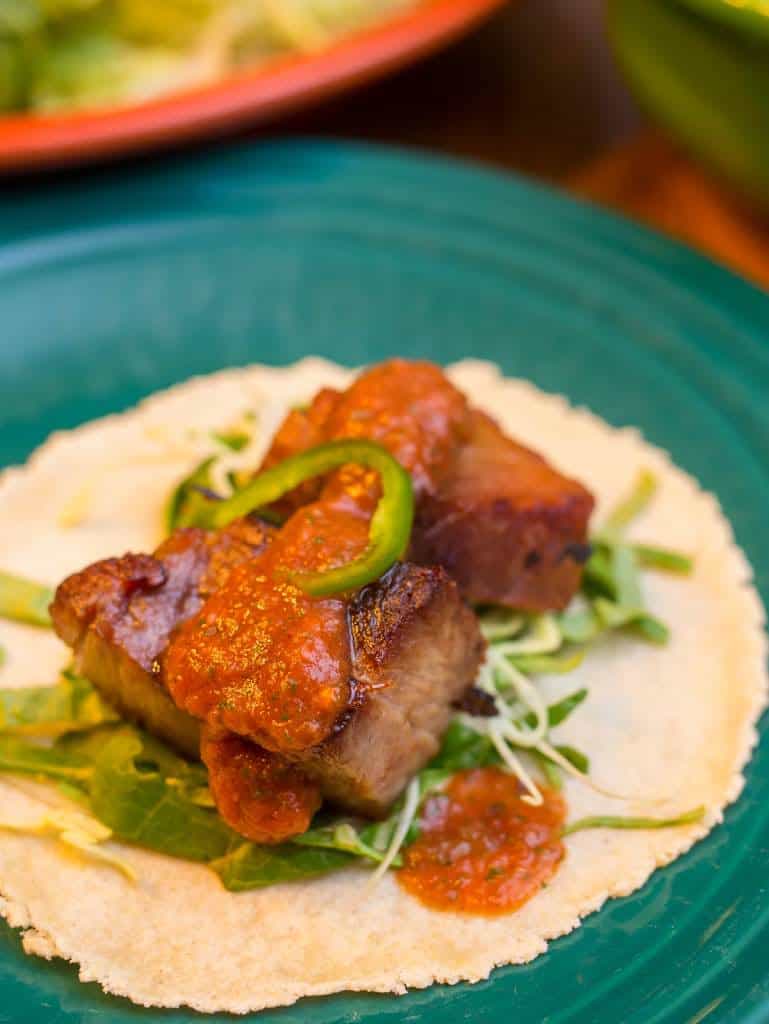
Sous Vide Carnitas: Mastering Tenderness and Crispy Edges
There's a reason carnitas hold the undisputed crown in the realm of Mexican street food. Often hailed as Mexico's glorious answer to American pulled pork, the perfect carnitas experience is a symphony of textures and flavors: meat that's incredibly moist, juicy, and rich with porky essence, boasting a melt-in-your-mouth tenderness akin to French confit, all beautifully contrasted with an abundance of savory, well-browned, crispy edges. Traditionally, this culinary marvel is achieved by simmering generous chunks of pork in rendered lard within a vast copper cauldron, known as a cazo, until they reach peak tenderness and develop that iconic crisp exterior.
For home cooks, replicating this magic has historically involved lengthy oven-based methods, often demanding careful monitoring as pork cubes slowly cook submerged in fat before being shredded and crisped under a broiler or on the stovetop. While undeniably delicious, these traditional approaches can be time-consuming and labor-intensive. Enter the game-changer: the sous vide immersion circulator. This modern technique doesn't just simplify the process; it elevates the outcome, offering a degree of control and consistency that is challenging to achieve with conventional methods. Mastering sous vide pork carnitas tacos has never been more accessible or rewarding, promising truly exceptional results every single time.
The Sous Vide Advantage: Effortless Perfection for Carnitas
The beauty of sous vide cooking lies in its precision and forgiving nature, especially when it comes to a robust cut like pork shoulder (also known as pork butt). This cut, rich in both connective tissue and fat, is ideal for long, slow cooking, as these elements break down into luscious gelatin, infusing the meat with incredible flavor and moisture. Here's why sous vide stands out as the superior method for carnitas:
- Unrivaled Moisture Retention: Unlike conventional cooking where moisture can evaporate, sous vide seals the pork in a vacuum-sealed bag. As the pork cooks, its natural fats render, and the meat essentially confits in its own savory juices. This self-basting process guarantees pork that is exceptionally moist and deeply flavorful, without the need to add any external fat to the bag. The result is carnitas that are consistently tender and succulent. For more on this, check out Sous Vide Carnitas: The Secret to Extra-Moist, Flavor-Packed Tacos.
- Eliminating the Risk of Overcooking: With traditional methods, even a slight oversight can lead to dry, tough meat. Sous vide, however, cooks the pork to a precise target temperature. Even if you extend the cooking time by several hours, or even half a day, the meat will not overcook. This makes it an incredibly forgiving method, perfect for busy schedules or when unexpected delays arise.
- Set-It-and-Forget-It Convenience: Forget continuously heating up your oven for hours or constantly checking the meat. Once the water bath is set and the pork is submerged, you can walk away and attend to other tasks, confident that your carnitas are cooking perfectly. This hands-off approach makes it a truly effortless cooking experience.
- Consistent Results, Every Time: The precision of an immersion circulator ensures that every batch of carnitas achieves the exact same level of tenderness and juiciness, eliminating guesswork and delivering restaurant-quality results in your own kitchen.
Decoding Sous Vide Temperatures for Your Ideal Carnitas Texture
The magic of sous vide lies in its ability to control texture. For carnitas, the goal is to break down tough collagen—the primary connective tissue in pork shoulder—into rich, velvety gelatin. This transformation requires both time and heat, and varying these factors allows you to fine-tune the final texture of your pork.
- 145°F (63°C) for "Steak-Like" Carnitas:
Cooking your pork at this lower temperature for an extended period, typically between 24 and 36 hours, yields a uniquely resilient and incredibly juicy result. Rather than shredding into fine strands, the pork comes apart in large, substantial chunks, almost with a steak-like bite and texture. This approach is fantastic if you plan to sear larger pieces or slabs of carnitas in a skillet, or even cube them for threading onto skewers and finishing on the grill. It offers a distinct, satisfying mouthfeel that’s different from your typical pulled pork, while still being remarkably tender.
- 165°F (74°C) for Classic Shreddable Carnitas:
This temperature range is where the magic happens for those who crave the classic, easily shreddable texture associated with traditional carnitas. At 165°F (74°C), the collagen breaks down more rapidly. Cooking the pork for approximately 8 to 12 hours will yield meat that is effortlessly pulled apart with a fork, perfect for piling high into sous vide pork carnitas tacos. While this temperature causes the pork to expel slightly more moisture, the sealed sous vide bag traps these juices, which can then be reabsorbed by the meat or used to baste during the crisping stage, ensuring the final product remains wonderfully moist and succulent.
- Higher Temperatures (e.g., 175°F / 79°C):
While still viable, cooking at even higher temperatures (around 175°F / 79°C) can significantly reduce cooking time (down to 6-8 hours for shreddable texture) by accelerating collagen breakdown even further. However, this also means the pork will expel even more moisture. While still plenty moist when removed from the bag, some prefer the slightly more controlled moisture expulsion of the 165°F range for peak juiciness.
The key takeaway is that you have the power to customize your carnitas experience. Consider how you want to serve your pork when selecting your ideal sous vide temperature and time.
Crafting Flavor: Beyond the Pork
While the sous vide method masterfully delivers on texture and inherent pork flavor, the soul of authentic carnitas also lies in its aromatic seasonings. Before sealing your pork shoulder in the vacuum bag, don't shy away from infusing it with a medley of traditional Mexican flavors. Classic additions often include segments of fresh orange and lime, which lend a bright, citrusy counterpoint to the rich pork. Earthy spices like cumin, Mexican oregano, and bay leaves are fundamental, along with robust aromatics such as garlic cloves and sliced onion.
You might have seen carnitas with a reddish hue, perhaps due to a marinade similar to cochinita pibil. The beauty of sous vide is that these flavor agents penetrate the meat deeply during the long cooking process, regardless of whether you opt for a vibrant red marinade or a simpler spice rub. The sealed environment ensures that all these incredible aromas are locked in and gently absorbed, creating a truly complex and irresistible flavor profile that complements the inherent richness of the pork.
The Grand Finale: Achieving Irresistibly Crispy Edges
No carnitas experience is complete without those glorious, deeply browned, crispy edges. This final step is crucial for contrasting the tender interior and delivering that iconic textural crunch that defines truly great carnitas. After its long, slow bath in the sous vide, your pork will be incredibly tender and moist, but still needs that textural transformation. Here are the most effective methods for crisping:
- The Broiler Method: This is a highly effective and popular technique. After shredding your sous vide pork (or breaking it into chunks, depending on your preferred texture), spread it in an even layer on a baking sheet. Drizzle with a little of the reserved rendered fat from the sous vide bag, or a touch of fresh lard or oil. Broil on high, keeping a very close eye on it, until parts of the pork are deeply golden and crispy. Stir occasionally to ensure even browning, usually taking about 5-10 minutes.
- Cast Iron Skillet or Dutch Oven: For a more stovetop-centric approach, heat a cast iron skillet or heavy-bottomed Dutch oven over medium-high heat. Add a spoonful or two of the rendered pork fat (or cooking oil). Once hot, add your shredded pork in batches, being careful not to overcrowd the pan. Press down lightly to maximize contact with the hot surface and sear until beautifully browned and crisp, flipping occasionally. This method allows you to control the crispiness of individual pieces more precisely.
- The Air Fryer Advantage: A modern and often quicker alternative, the air fryer can deliver fantastic crispy edges with minimal effort. Simply place your shredded pork (with a drizzle of rendered fat) in the air fryer basket in a single layer. Air fry at 375-400°F (190-200°C) for 8-15 minutes, shaking the basket periodically, until the pork is gloriously crisp.
Whichever method you choose, don't rush this step. The contrast between the succulent interior and the savory, crunchy exterior is what truly makes sous vide pork carnitas tacos sing. For even more detailed instructions on perfecting the crisp, consider reading Effortless Carnitas: Master Crispy Sous Vide Pork Tacos at Home.
Assembling Your Perfect Sous Vide Pork Carnitas Tacos
With your perfectly tender and crisp sous vide carnitas ready, it's time for the ultimate payoff: building your taco masterpieces. The simplicity of a carnitas taco allows the rich flavor of the pork to truly shine, but a few fresh accompaniments elevate it to perfection.
Start with warm tortillas – traditional corn tortillas are highly recommended for authenticity, but soft flour tortillas also work wonderfully. Pile a generous amount of the warm, crispy carnitas onto each tortilla. Then, layer on the essential fresh elements: finely chopped white onion and a sprinkle of fresh cilantro. A squeeze of fresh lime juice over the top cuts through the richness of the pork, adding a vibrant tang.
For those who love a bit of heat and complexity, a spoonful of your favorite salsa verde or salsa roja is a must. Don't be afraid to experiment with optional additions like pickled red onions for an extra zing, creamy avocado slices, or a sprinkle of salty cotija cheese. The beauty of these tacos lies in their balance: the tender, crispy pork, the fresh crunch of onion, the herbaceous cilantro, and the bright acidity of lime create a harmonious bite that is utterly addictive.
Conclusion
The journey to mastering truly exceptional carnitas can seem daunting, but with the sous vide technique, it transforms into an incredibly straightforward and rewarding culinary adventure. By leveraging the precision of an immersion circulator, you unlock a level of tenderness, moisture, and consistent flavor that is difficult to replicate through traditional means. From the forgiving nature of the low-temperature bath to the crucial final crisping stage, every step is designed to produce the ultimate sous vide pork carnitas tacos.
Whether you prefer your carnitas in juicy, steak-like chunks or classic, shreddable strands, sous vide empowers you to achieve your ideal texture. So, embrace the innovation, fill your kitchen with the irresistible aroma of slowly cooked pork, and prepare to delight your taste buds with carnitas that are nothing short of spectacular—tender on the inside, wonderfully crispy on the outside, and destined to be the star of your next taco night.
